Domaine du Comte Armand
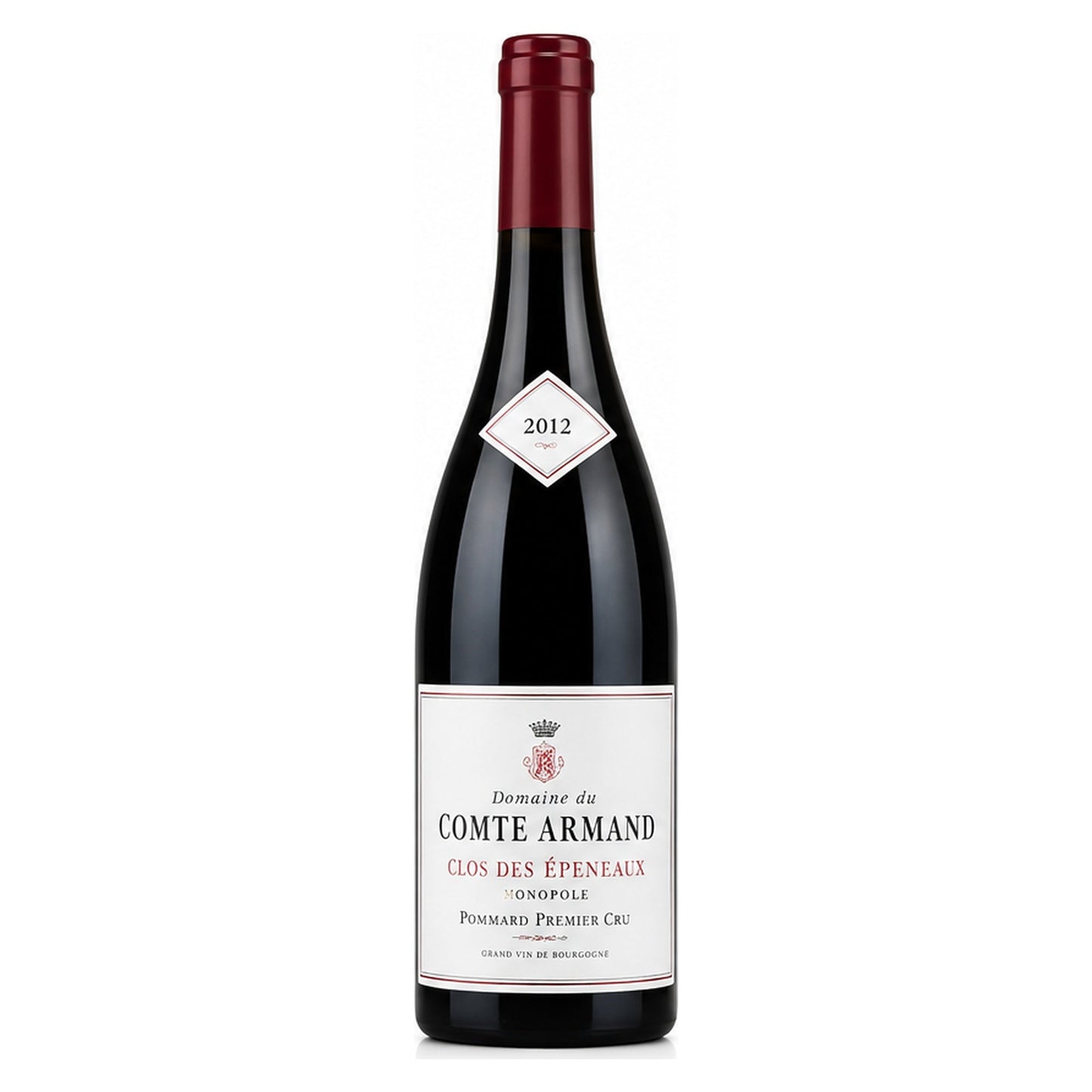
Domaine du Comte Armand – Pommard Premier Cru Clos des Épeneaux Monopole 2012 – Burgundy France
Domaine du Comte Armand – Pommard Premier Cru Clos des Épeneaux Monopole 2012 – Burgundy France
Couldn't load pickup availability
The Clos des Épeneaux is one of the largest premier crus in Burgundy and one of very few to have stayed in single ownership since before the Revolution. Roughly 5.2 walled hectares, in the same family since 1826. This is the 2012, made by Benjamin Leroux.
🍷 At a Glance
• Grape: 100% Pinot Noir
• Appellation: Pommard Premier Cru Clos des Épeneaux — monopole
• Region: Côte de Beaune, Burgundy
• Vintage: 2012
• Producer: Domaine du Comte Armand
• Winemaker: Benjamin Leroux
• Vineyard: Around 5.2 hectares, walled, straddling Grands and Petits Épenots; the wall was finished in 1805 and the Clos has been in the Armand family since 1826
• Farming: Organic, Ecocert certified since 2005, farmed biodynamically
• Winemaking: Vinified in separate parcels by vine age and assembled into the final blend; the youngest vines are declassified and sold as Pommard or Pommard Premier Cru
• Serving temperature: 15–17°C
• Style: Dry red wine
👃 Tasting Notes & Experience
• Color: Deep ruby moving toward garnet
• Nose: Dark fruit with earth and spice, opening into forest floor with age
• Palate: Structured and layered, the old-vine core giving depth without heaviness
• Structure: Firm Pommard tannins, finely drawn
• Finish: Long and savoury
The Clos came together under Nicolas Marey around the turn of the nineteenth century — the same collector who assembled what is now Romanée-Saint-Vivant Marey-Monge — and passed to Jean-François Armand as a dowry when he married Marey's daughter in 1826. It was the domaine's only vineyard until 1994. The modern era began in 1985 with Pascal Marchand, a Quebecois who had arrived in Burgundy as a literature student and became the first non-French winemaker to run a major Pommard estate; Benjamin Leroux followed from 1999, oversaw the conversion to biodynamics, and made this wine.
❤️ Why We Love It
• A walled monopole under one family since 1826, and under single ownership since before the Revolution
• Blended from parcels vinified separately by vine age, with the youngest declassified out
• From the Benjamin Leroux era
🍽️ Food Pairing Ideas
• Roast beef, venison and game
• Boeuf bourguignon and slow-braised dishes
• Aged hard cheeses
👤 Who This Wine Is For
✓ Collectors of benchmark Pommard with decades of life ahead
✕ Not a bottle to open casually