Bodegas Hispano+Suizas
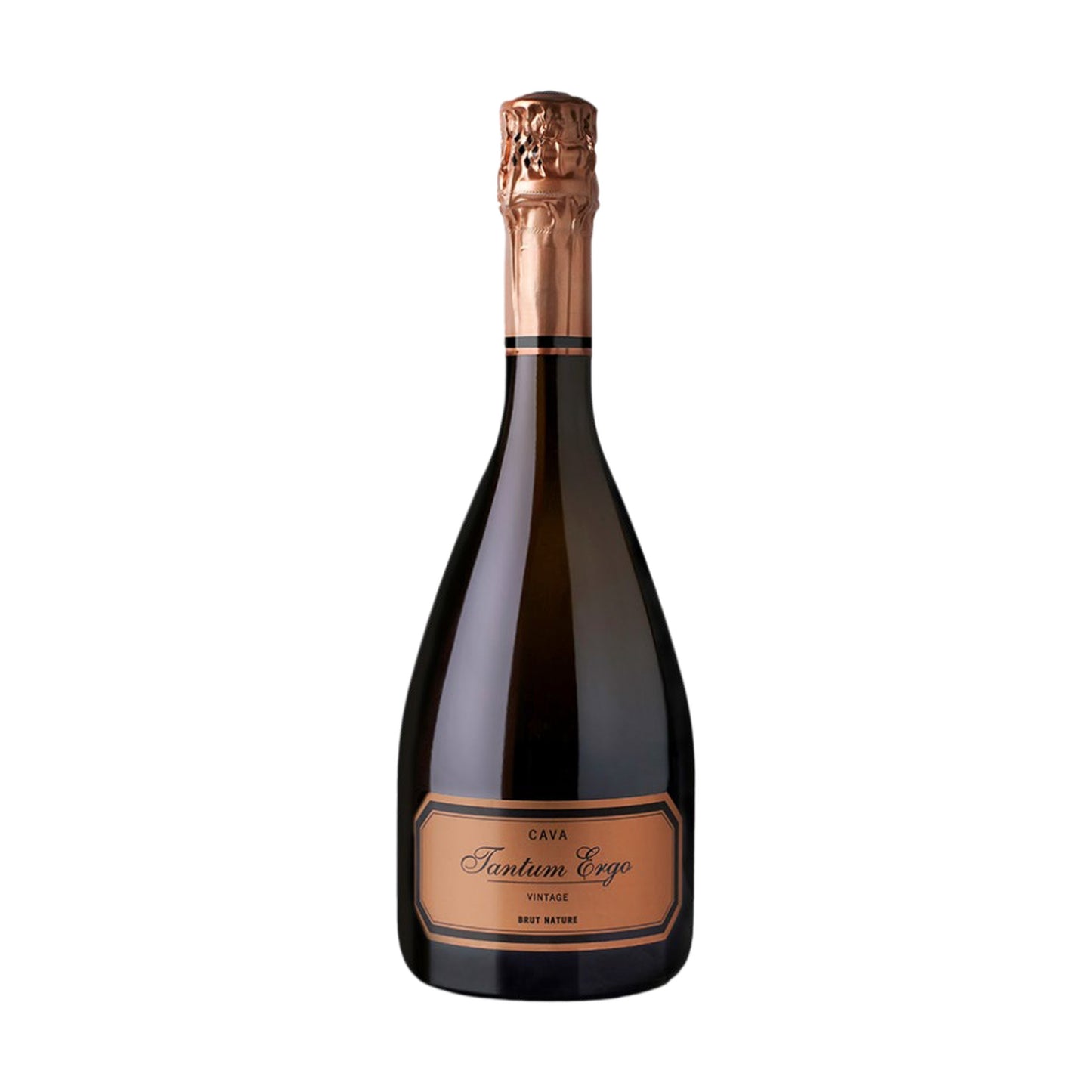
🇪🇸 Tantum Ergo Vintage 2020 Cava Brut Nature (Hispano+Suizas)
Couldn't load pickup availability
This is the “I brought the good bubbles” bottle, except it’s Spanish and quietly unhinged in the best way. Vintage-dated, Brut Nature, and aged stupid-long on lees so it shows up silky, serious, and smug.
Wine Description
Tantum Ergo Vintage 2020 is Bodegas Hispano+Suizas’ flex: a vintage Cava Brut Nature built from Chardonnay and Pinot Noir, made the traditional way, and aged for years before it ever sees your glass. It’s not trying to be Champagne. It’s trying to be itself, and it’s winning.
Behind the label is winemaker Pablo Ossorio, one of the founding minds at Hispano+Suizas, known for making polished, high-precision wines in Requena with a “quality-first, shortcuts-never” reputation. This cuvée leans into that: long lees aging, no added sugar, and a profile that reads more “grown-up sparkle” than “sweet party pop.”
If you want a bone-dry, vintage Cava that tastes like it had a plan and stuck to it, this is your bottle.
Vine-to-Table: Meet the Winemaker
Pablo Ossorio is a co-founder and the technical brain behind Bodegas Hispano+Suizas, with a career rooted in Valencia’s wine scene before launching the project in Requena. He’s repeatedly cited as the house’s key oenology figure, and the winery itself is often framed as a founder-led quality play rather than a volume brand.
The Vibe
Quiet-luxury bubbles with Spanish swagger. It’s the kind of Brut Nature that makes you sit up straighter, then makes you pour another glass anyway.
What it tastes like
Expect a dry, clean mousse with citrus and orchard-fruit energy up front, then more “bread-crust, toasted, creamy depth” as it opens, because it spends a long time aging on lees. Extended lees aged around 44 months, which is exactly why it drinks more serious than your average Cava.
Pairing + When to drink it
This is an all-meal bubble: salty snacks, jamón, fried things, roast chicken, buttery seafood, and anything that wants a crisp reset between bites. If you’re doing a toast, do it with a Brut Nature that doesn’t need sugar to be charming, because that’s the whole point.
Quick Specs
-
Producer: Bodegas Hispano+Suizas
-
Winemaker: Pablo Ossorio
-
Region/Appellation: Spain, D.O. Cava (Requena, Valencia)
-
Grapes: Chardonnay, Pinot Noir (60/40)
-
Vintage: 2020
-
Winemaking/Aging: Traditional-method Cava; extended lees aging around 44 months; Brut Nature dosage (no sugar added)
-
ABV: 12%
-
Bottle size: 750ml
Critic Reviews
-
Falstaff (Cava Trophy), 91 points, reviewed vintage: 2020
Short note: Falstaff positions it as a top-scoring Brut Nature style Cava in their Cava-focused coverage.
FAQs
Q: What does “Brut Nature” legally mean on a D.O. Cava label?
A: On the official D.O. Cava scale, Brut Nature means 0–3 g/L residual sugar and “no added sugar” in dosage terms. It’s the driest, most naked version of Cava style, which is why it reads crisp and strict instead of plush.
Q: Why is Tantum Ergo Vintage 2020 described as “long lees-aged,” and what’s the number?
A: Around 44 months on lees for the 2020 bottling, which is a long time in bottle for Cava. That extended contact is what pushes texture and brioche-like depth beyond “simple fizz.”
Q: Who is Pablo Ossorio in the story of Bodegas Hispano+Suizas?
A: Pablo Ossorio is consistently cited as a co-founder and the lead technical winemaking figure at Hispano+Suizas. The project is framed as founder-built in Requena, with Ossorio’s role central to the house style and its quality reputation.
Q: When was Bodegas Hispano+Suizas founded, and who founded it?
A: Multiple profiles describe the winery as founded in 2006 in Requena by Rafael Navarro, Pablo Ossorio, and Marc Grin. It’s a relatively modern house by Spanish standards, which is why it feels more “precision project” than “centuries-old estate.”
Q: What grapes are used in Tantum Ergo Vintage, and is it the classic Cava trio?
A: This cuvée is typically listed as Chardonnay and Pinot Noir, often shown as 60% Chardonnay and 40% Pinot Noir. That’s a deliberate stylistic choice versus the classic Cava grapes, aiming for a more internationally familiar, Champagne-adjacent frame.
Share