Bodega Otazu
Otazu Altar 2018 Cabernet Sauvignon (Pago de Otazu DOP)
Couldn't load pickup availability
This is Cabernet Sauvignon doing the most, in the best way. Altar 2018 is a Vino de Pago red from Otazu with serious time in oak and even more time in bottle, so it shows up polished, not pushy.
Wine Description
Altar 2018 is Otazu’s “maximum expression” of Cabernet Sauvignon, harvested by hand in October 2018 from two selected vineyards on the estate. It’s not a loud red, it’s a confident one, built for the long game and released after a long, slow glow-up.
Before fermentation, the must is cold-soaked at 8°C for a week, then it goes through malolactic on fine lees in French oak and ages 18 months in French Allier barrels. After that, it spends a minimum of 60 months in bottle, because Otazu clearly does not believe in rushing greatness.
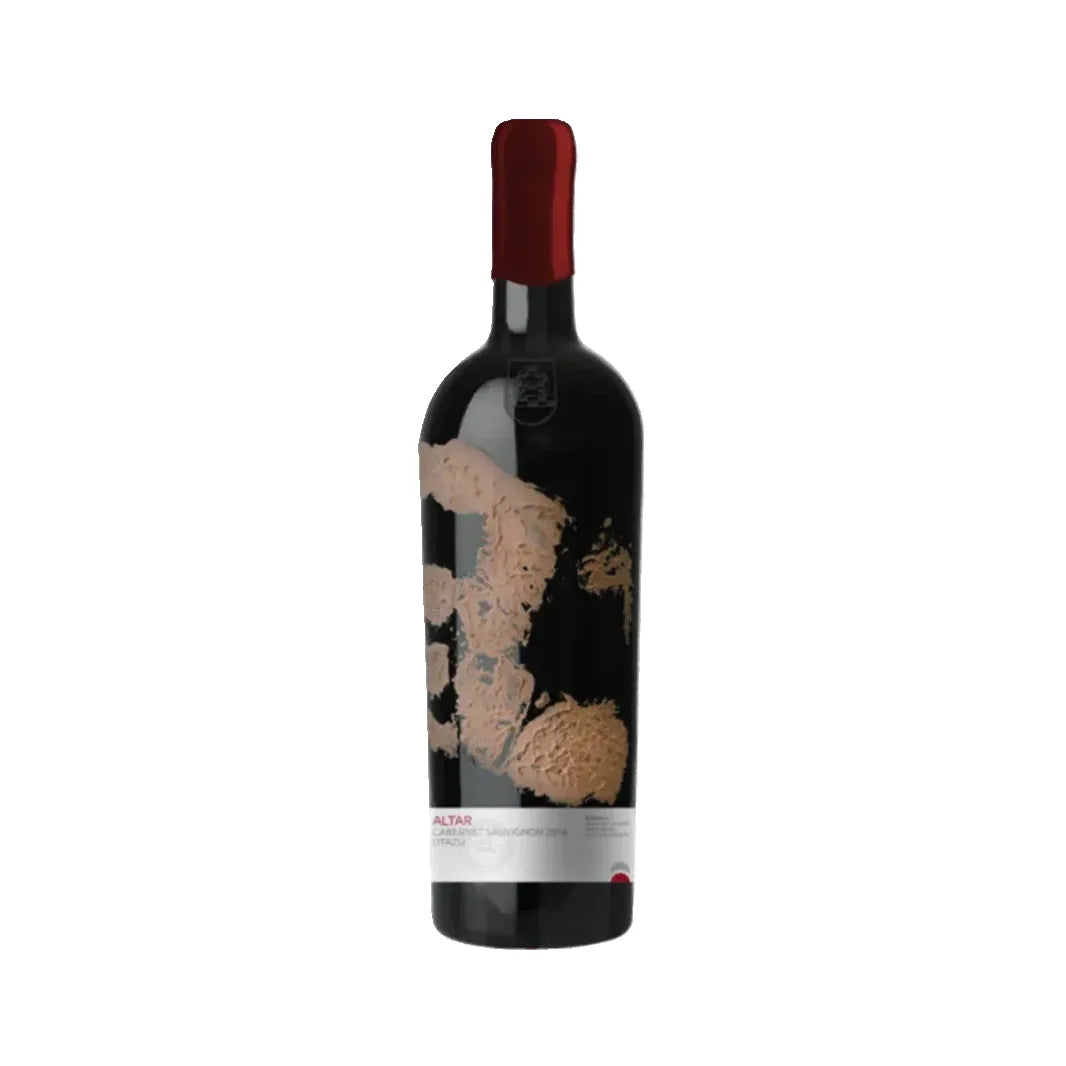
And yes, the label is art, literally: Héctor Zamora’s “Existencia” includes a unique imprint made with Otazu soil, which is both poetic and kind of a flex.
The Vibe
Elegant, structured, and quietly intense. This is the bottle you open when you want the table to feel expensive without acting expensive.
What it tastes like
Deep garnet in the glass, with aromas that lean wild-berry and savory spice, plus that “mountain scrub” perfume some Cab fans live for. On the palate it’s balanced and smooth for its size, with a long finish that hangs around like the best kind of text you weren’t expecting.
Pairing + When to drink it
Otazu calls it a match for roasted or grilled meats, cured cheeses, Japanese food, arroz negro, octopus, and high-cacao chocolate desserts, which is honestly chaotic in a good way. Drink it now if you like your reds resolved and silky, or hold if you want even more calm depth.
Quick Specs
-
Producer: Bodega Otazu
-
Region/Appellation: D.O.P. Pago de Otazu (Navarra, Spain)
-
Grapes: 100% Cabernet Sauvignon
-
Vintage: 2018
-
Winemaking/Aging: Cold maceration at 8°C for 1 week; malolactic with fine lees in French oak; 18 months in French Allier barrels; minimum 60 months bottle aging
-
ABV: 14.5%
-
Bottle size: 750 ml
FAQs
Q: What does “D.O.P. Pago de Otazu” actually mean for Altar 2018?
A: “Vino de Pago” is Spain’s top rung for single-estate wines, granted to a specific property rather than a whole region, and it sits under the broader D.O.P. framework. Altar 2018 is labeled D.O.P. Pago de Otazu, meaning the rules and identity are tied to Otazu’s own estate.
Q: Why does Otazu Altar 2018 spend a minimum of 60 months in bottle before release?
A: Because Otazu is aiming for polish, not personality whiplash. Altar is aged 18 months in French Allier oak and then held at least 60 months in bottle so the structure settles and the flavors integrate before it hits the market.
Q: What’s the deal with the handprint label on Altar 2018?
A: The label is designed by artist Héctor Zamora and the work is titled Existencia (2019). Each bottle includes a unique imprint made using Otazu soil, meant to symbolize the connection between the land and the hands that work it.
Q: What’s a concrete, nerdy detail about how Altar 2018 is made before it ever touches barrel?
A: Otazu does a pre-fermentation cold maceration at 8°C for a week, then runs malolactic fermentation with fine lees in French oak barrels. That’s a very intentional way to build texture and finesse without turning the wine into a caricature.
Q: How do we know Altar 2018 is not a “random Cab” but a deliberate vineyard selection?
A: Otazu describes Altar 2018 as coming from a hand harvest in October 2018 from two selected vineyards on the estate. That selection piece is part of why it’s positioned as the winery’s top Cabernet expression.
Q: Who runs the technical side at Otazu today, even if Altar 2018 isn’t individually credited?
A: Otazu appointed Enrique Basarte as Technical Director in 2022; he studied Agricultural Engineering (Universidad de Navarra), trained in Enology (Universidad de La Rioja), and worked across multiple Spanish appellations before joining. If you’re tracking how the house style evolves in newer vintages, he’s the name to know.
Share