
Pagos de Familia Marqués de Griñón
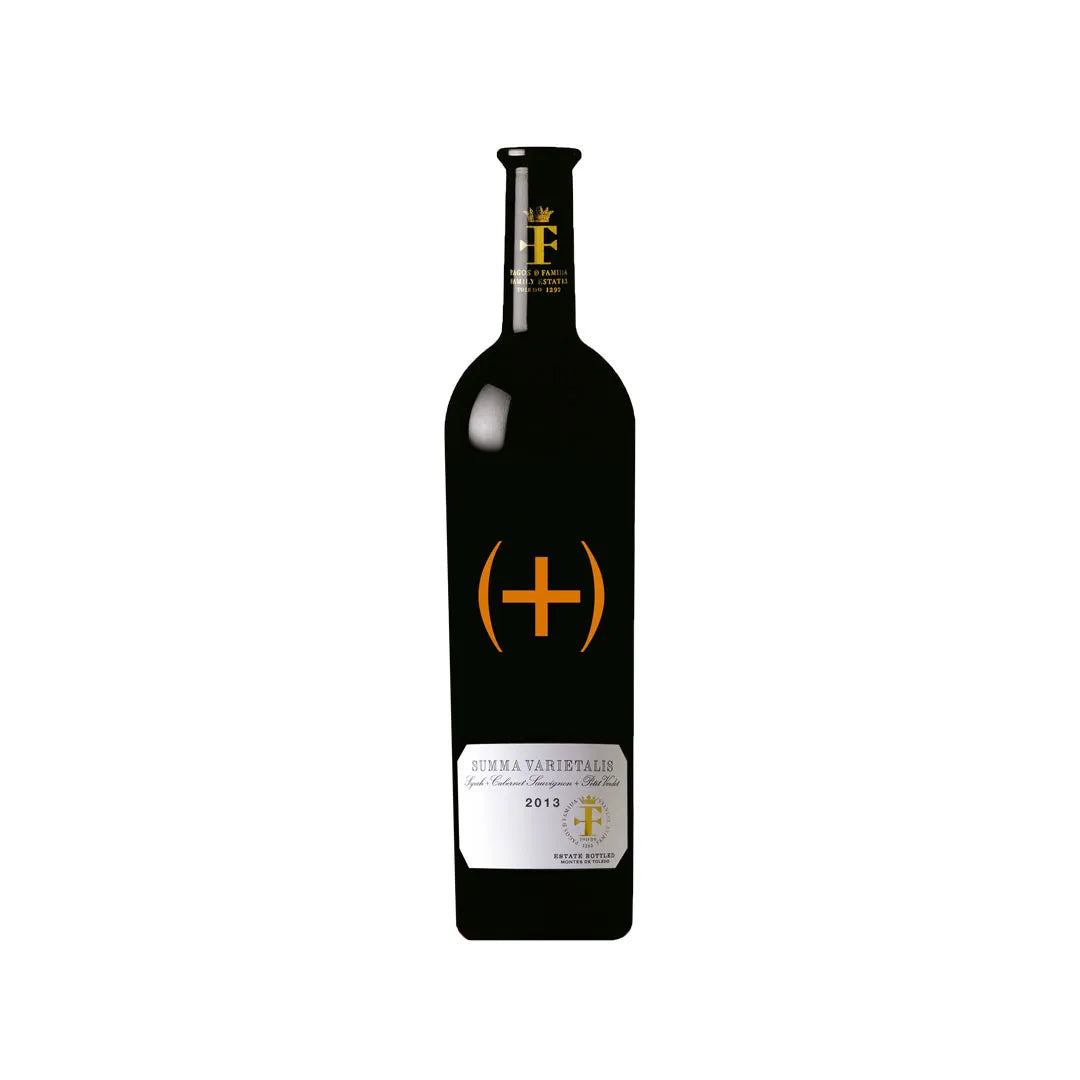
🇪🇸 Marqués de Griñón SVMMA Varietalis 2019
🇪🇸 Marqués de Griñón SVMMA Varietalis 2019
Couldn't load pickup availability
This is what happens when a Spanish estate gets tired of playing by everybody else’s rules and starts making single-estate reds with serious swagger. SVMMA Varietalis is Valdepusa doing what Valdepusa does best: dark fruit, spice, mineral edge, and a finish that sticks around like an ex you secretly miss.
Wine Description
SVMMA Varietalis 2019 comes from Dominio de Valdepusa, the Marqués de Griñón family estate in Malpica del Tajo (Toledo) that earned Spain’s first Vino de Pago recognition, basically the “this land is different and we can prove it” badge. The place is defined by clay over deep limestone, which is a fancy way of saying the wine can flex power and still keep it tailored.
In the bottle, you’re looking at a Syrah, Cabernet Sauvignon, and Petit Verdot blend from the estate’s vineyards, built for depth and tension rather than sugary showboating. If you like your reds structured, polished, and a little bit dangerous, congrats, you have a type.
Behind the scenes, the estate’s winemaking has long been associated with top-tier outside expertise, and the current technical leadership includes oenologist Raquel Carrasco, with the Falcó family continuing the Valdepusa legacy.
Vine-to-Table: Meet the Winemaker
Raquel Carrasco is the oenologist at Pagos Marqués de Griñón, with formal training in Bordeaux and hands-on experience that includes time at Château Margaux plus harvest work in Argentina’s Uco Valley. She’s not “vibes,” she’s precision, and it shows in how these Valdepusa reds stay sharp even when they’re rich.
The Vibe
Confident Spanish “estate red” energy, with a modern, international-grape profile that still feels grounded in place. It’s the kind of bottle you open when the dinner plan is real food, real people, and zero patience for mediocre wine.
What it tastes like
Expect a deep, dark-fruited core with spice and a mineral undertone, plus tannins that read more velvet than sandpaper when it’s given air. Valdepusa’s clay can bring density, while the limestone helps keep the texture and lift feeling elegant instead of heavy.
Pairing + When to drink it
This is made for lamb, grilled meats, stews, and anything that hits the table with actual confidence, not a sad salad pretending it’s dinner. Drink now with a decant if you want it expressive, or stash a few years if you like your reds more mellow and integrated.
Quick Specs
-
Producer: Pagos de Familia Marqués de Griñón (Dominio de Valdepusa)
-
Winemaker: Raquel Carrasco (oenologist); Falcó family estate leadership
-
Region/Appellation: Vino de Pago Dominio de Valdepusa (Malpica del Tajo, Toledo, Castilla-La Mancha)
-
Grapes: Syrah, Cabernet Sauvignon, Petit Verdot
-
Winemaking/Aging: Listed as hand-harvested, 4–5 week maceration, about 12 months in French Allier oak; bottled without fining or filtration (per retailer technical info)
-
ABV: 14.0%
-
Bottle size: 750 mL
FAQs
Q: What does “Vino de Pago” mean, and why is Dominio de Valdepusa a big deal?
A: “Vino de Pago” is Spain’s single-estate classification, meant for properties with distinct soils and a proven track record of quality. Dominio de Valdepusa was recognized as Spain’s first to earn national VP status, tied to grapes grown and vinified on the estate.
Q: How old is Dominio de Valdepusa, really?
A: The estate has been in the family since 1292, which is the kind of generational flex money can’t buy overnight. Modern winemaking at Valdepusa kicked off in the 1970s, when Carlos Falcó began planting and building the project that later became VP.
Q: What’s the soil makeup at Valdepusa, and why does it matter in the glass?
A: Official VP documentation describes a surface layer of clay over a deep limestone subsoil formed in the Cretaceous period, with a basic pH and good drainage. In plain terms, clay can bring power and intensity, while limestone leans into elegance and that mineral, textured feel.
Q: Why does SVMMA Varietalis use Syrah, Cabernet Sauvignon, and Petit Verdot?
A: Those varieties are core to Valdepusa’s red identity, and they’re also listed among the principal grapes for the VP. For the 2019 bottling, one retailer’s technical detail lists the blend as 63% Syrah, 23% Cabernet Sauvignon, 14% Petit Verdot, which lines up with the estate’s stated varietal mix for this wine.
Q: Who is Raquel Carrasco, and what’s one real thing that makes her worth knowing?
A: She’s the estate’s oenologist, trained in Bordeaux, with experience that includes time at Château Margaux and a harvest stint in Argentina’s Uco Valley. That mix of classic and modern shows up in wines that feel polished without losing their edge.
Share