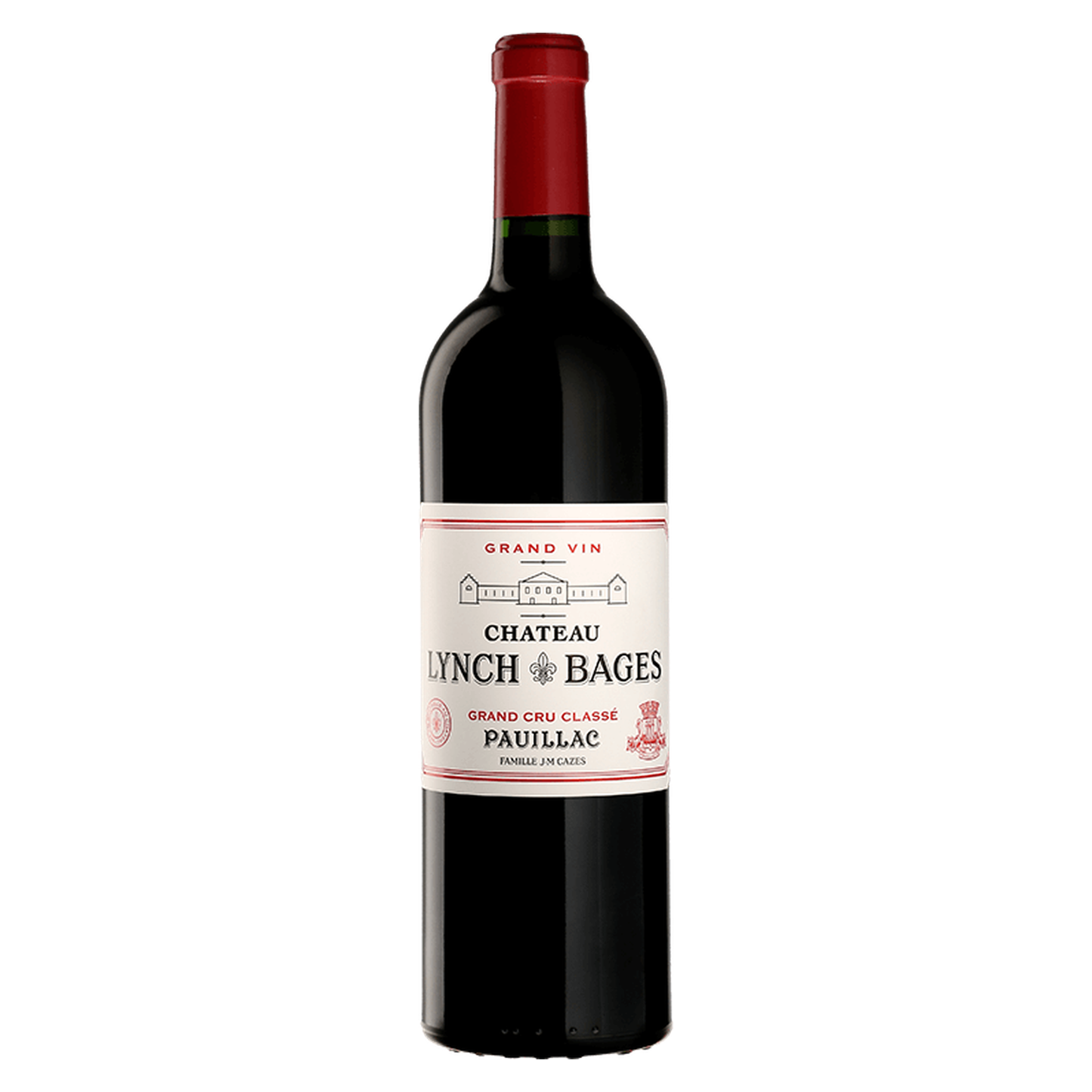
Château Lynch-Bages
Château Lynch-Bages 1996 – Pauillac Bordeaux France
Château Lynch-Bages 1996 – Pauillac Bordeaux France
Couldn't load pickup availability
Château Lynch-Bages 1996 is a Fifth Growth Pauillac from one of Bordeaux’s most consistently powerful and distinctive estates. A classic Left Bank year, it emphasizes Cabernet-driven structure, graphite and cedar.
🍷 At a Glance
• Grape(s): Cabernet Sauvignon, Merlot, Cabernet Franc and Petit Verdot
• Region / Appellation: Pauillac AOC, Bordeaux, France
• Classification: Cinquième Grand Cru Classé (Fifth Growth), 1855
• Vintage: 1996
• Aging: 15 months in French oak barrels (70% new wood)
• Alcohol: Vintage-specific ABV not stated in the accessible producer material
• Serving Temp: 16–18°C
• Style: Dry, full-bodied Left Bank Bordeaux red
👃 Tasting Notes & Experience
• Nose: Blackcurrant, cherry, cedar, graphite and spice
• Taste: Classic Left Bank structure with dark fruit, savory cedar and mineral drive
• Texture: Firm, elegant and mature, with refined tannins
• Finish: Persistent, savory and graphite-tinged
Château Lynch-Bages is known for marrying Pauillac power with generosity, precision and age-worthy structure. In 1996, the vintage character comes through clearly while the estate’s signatures—Cabernet-driven dark fruit, graphite, cedar and firm mineral structure—remain at the core.
❤️ Why We Love It
• A classic Left Bank vintage shaped around Cabernet Sauvignon
• Beautiful balance between mature savory detail and Pauillac structure
• Cedar, graphite and blackcurrant give it unmistakable regional character
• A serious mature Bordeaux for collectors and traditionalists
🍽️ Food Pairing Ideas
• Dry-aged ribeye or prime rib
• Roast leg of lamb with rosemary
• Beef tenderloin with bordelaise
• Venison with mushroom jus
• Aged Comté or Gruyère
👤 Who This Wine Is For
✓ Collectors of classified-growth Bordeaux and mature Pauillac
✓ Cabernet lovers who enjoy cassis, graphite, cedar and savory complexity
✓ Drinkers seeking structured, cellar-worthy red wine with serious pedigree
✕ Not ideal if you prefer light, low-tannin reds
✕ Not ideal if you want simple, fruit-forward wine without oak or savory development
🏅 Scores
• Wine Advocate: 93 points
Share